Hours at a desk quietly add up in your neck and shoulders. The good news: a few small changes to your setup, your breaks, and your at-home routine can help you feel looser and more comfortable.
Why desk days get to your neck
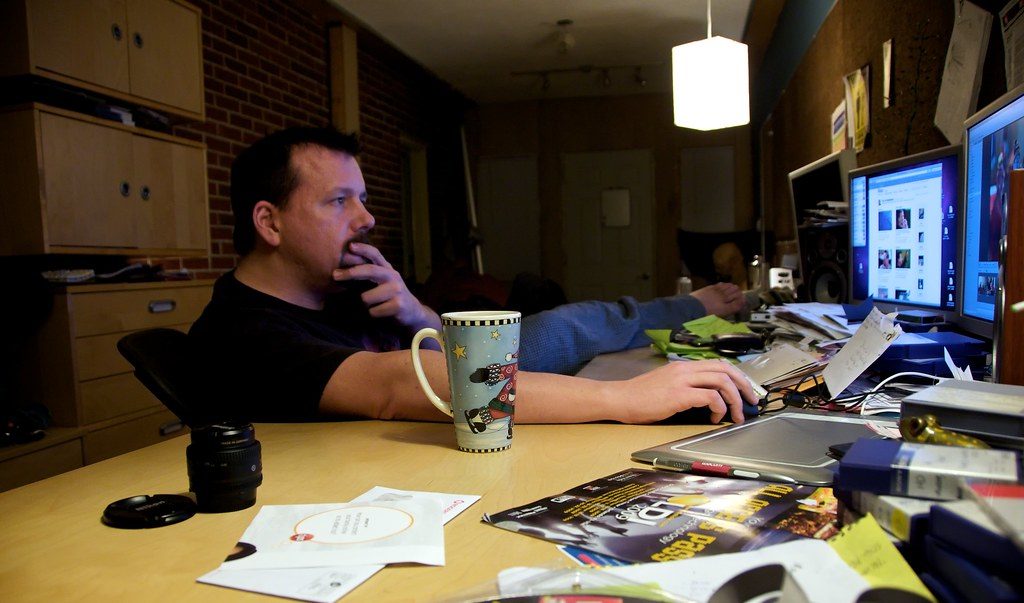
When we stare at a screen, the head tends to drift forward and the shoulders round in. Held for hours, that posture leaves the neck and upper back feeling tight and tired. It is one of the most common everyday complaints for anyone who works at a computer.
Fix the setup first
- Raise your screen so the top is near eye level.
- Keep your shoulders relaxed and elbows close to your body.
- Support your lower back so you are not slumping.
- Stand up and move at least once an hour.
These are comfort and posture habits, not medical treatment. Persistent or severe neck pain, numbness, or tingling deserves a professional opinion.

At-home tools that may help
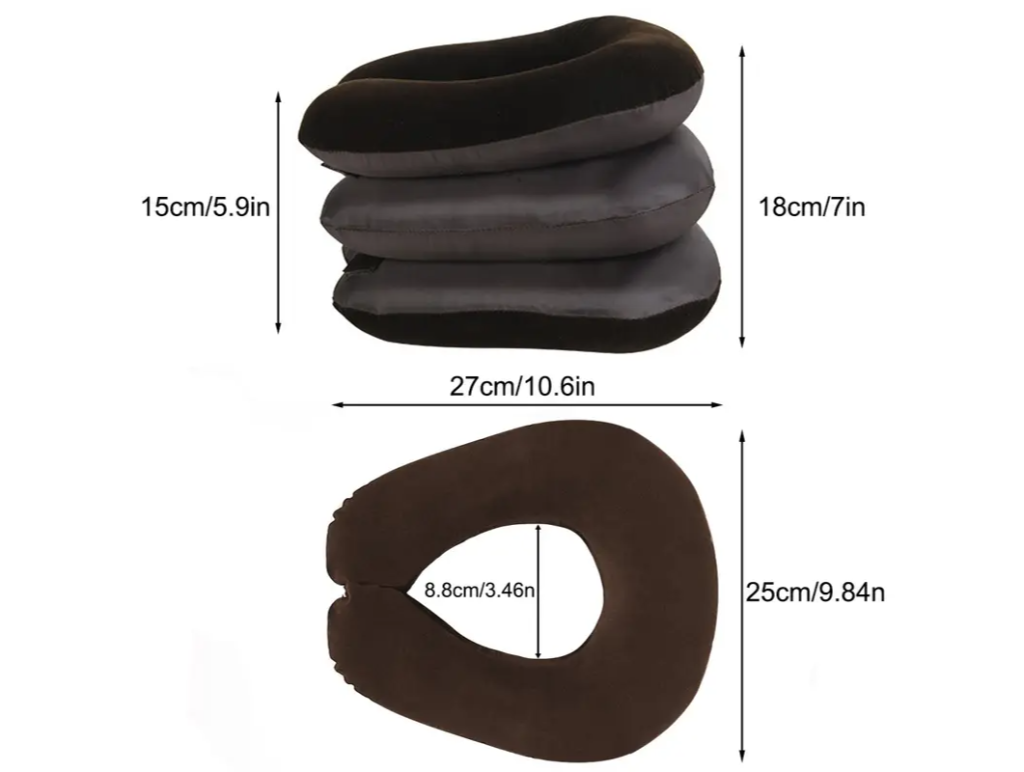
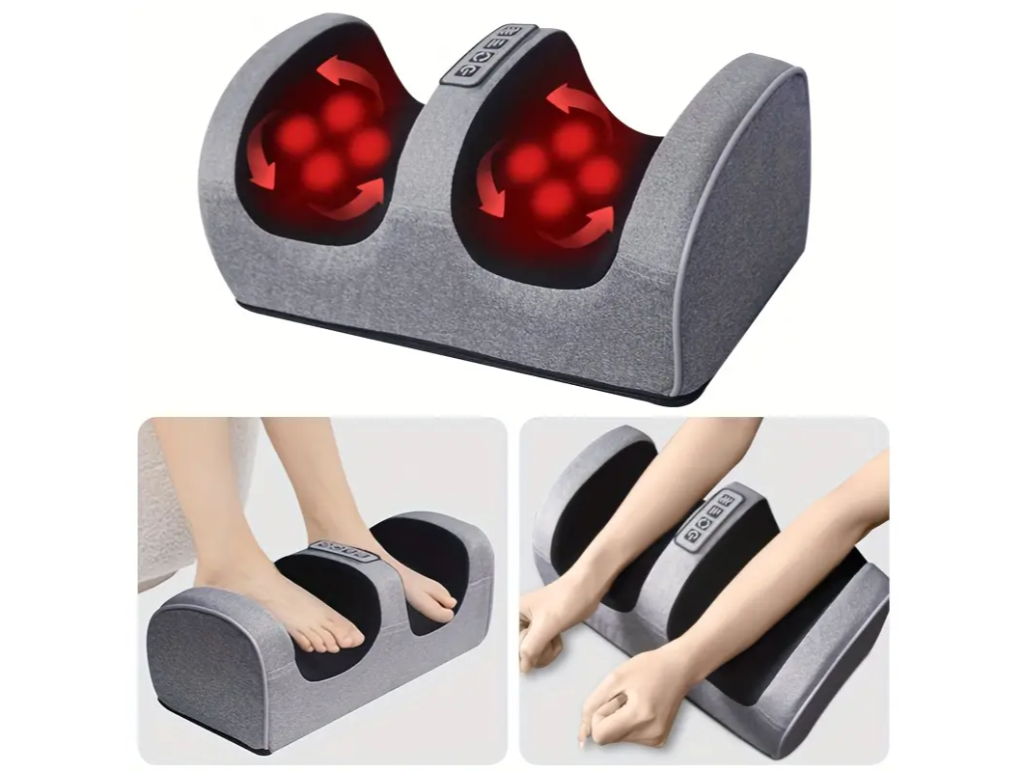
A few simple mobility tools give you a way to unwind. A gentle neck stretcher or an adjustable cervical traction device can feel great after a long session, and a hanging cervical spine massager or neck and shoulder relaxer adds easy relaxation. Read recovery tools 101 for how each works.
Micro-breaks beat marathon fixes
Short, frequent resets do more than one long stretch at the end of the day. Every hour, roll your shoulders, gently turn your head side to side, and look away from the screen. Pair that with a couple of relaxed minutes on a stretcher in the evening.
Make comfort part of the day
You cannot always change how much you sit — but you can change how you sit, how often you move, and how you unwind. Combine a smarter setup with a couple of affordable recovery tools and desk-bound days feel a lot kinder on your neck.
Simple movement breaks that fit a workday
You do not need a gym or a spare half hour. A handful of ten-second resets, done through the day, keep your neck and shoulders from locking up. Roll your shoulders back a few times, gently turn your head left and right, tuck your chin to lengthen the back of your neck, and look at something far away to relax your eyes at the same time. Set a quiet reminder each hour until it becomes automatic.
Strengthen the setup, not just the stretch
Stretching relieves tension, but a good setup prevents it. A supportive chair, a screen at the right height, and your keyboard positioned so your shoulders can stay relaxed all do preventive work every minute you sit. Even standing for part of the day helps, if you can.
Using traction and massage at home
In the evening, a gentle session with an adjustable cervical traction device or a neck stretcher can feel like a genuine release after a desk-heavy day. A hanging cervical spine massager adds easy, hands-free relaxation. Start gently, keep sessions short, and always follow the device instructions — comfort is the goal, never force.
Consistency over intensity
As with any recovery routine, little and often beats the occasional marathon. A few relaxed minutes most evenings does more for how your neck feels than one long session once a week. For a broader look at the tools involved, read our recovery tools 101, and remember these are comfort aids — persistent pain deserves a professional's eye.
Your desk-day relief routine
Pull it together into something you will actually do: fix the setup once — screen at eye level, shoulders relaxed, lower back supported — then take a ten-second movement reset every hour, and finish the day with a few gentle minutes on a neck stretcher or traction device. Prevention during the day plus a short evening release is a far kinder formula for your neck than ignoring it and hoping. Keep the tools where you relax so they get used, start every session gently, and treat lasting or severe pain as a reason to see a professional rather than push through.
Disclaimer. Statements on this site have not been evaluated by the Food and Drug Administration (FDA). Products are not intended to diagnose, treat, cure or prevent any disease. This article is general information, not medical advice — if you are pregnant, nursing, taking medication, or have a health condition, consult a physician before starting any supplement or wellness routine.