You do not need a clinic to build a little recovery into your week. A handful of well-chosen at-home devices can help you unwind, ease everyday tension and support a more comfortable routine.
The everyday recovery lineup
Our health & mobility category is built around simple, home-use tools:
- A foot & leg massager for the end of a long day on your feet.
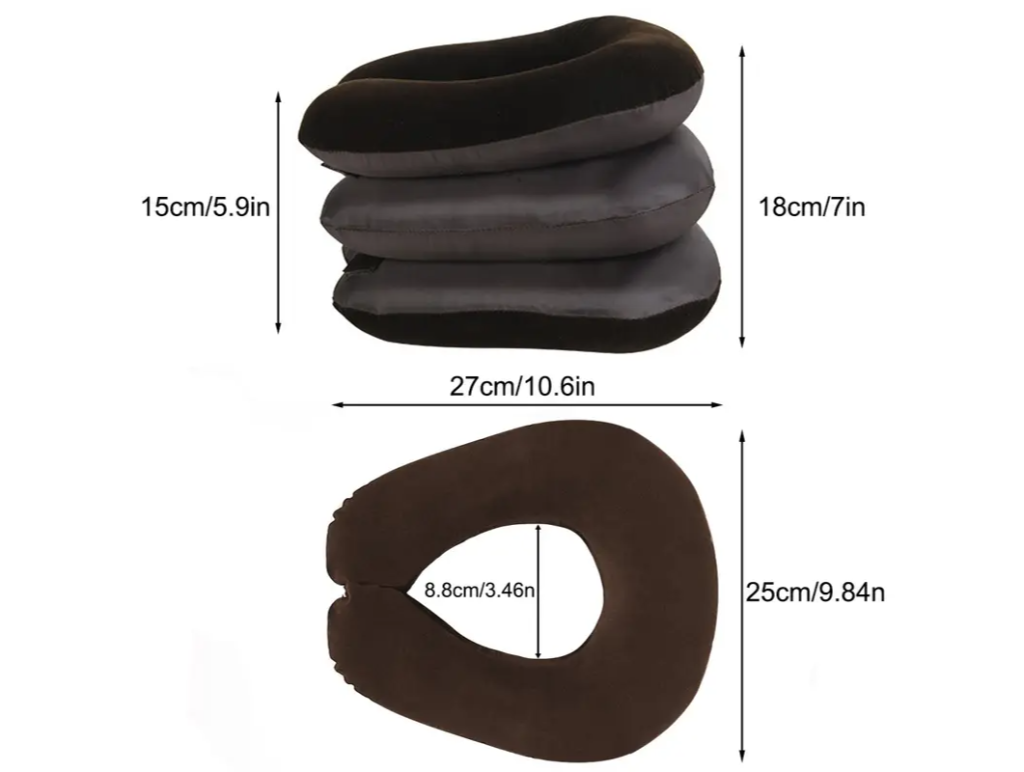
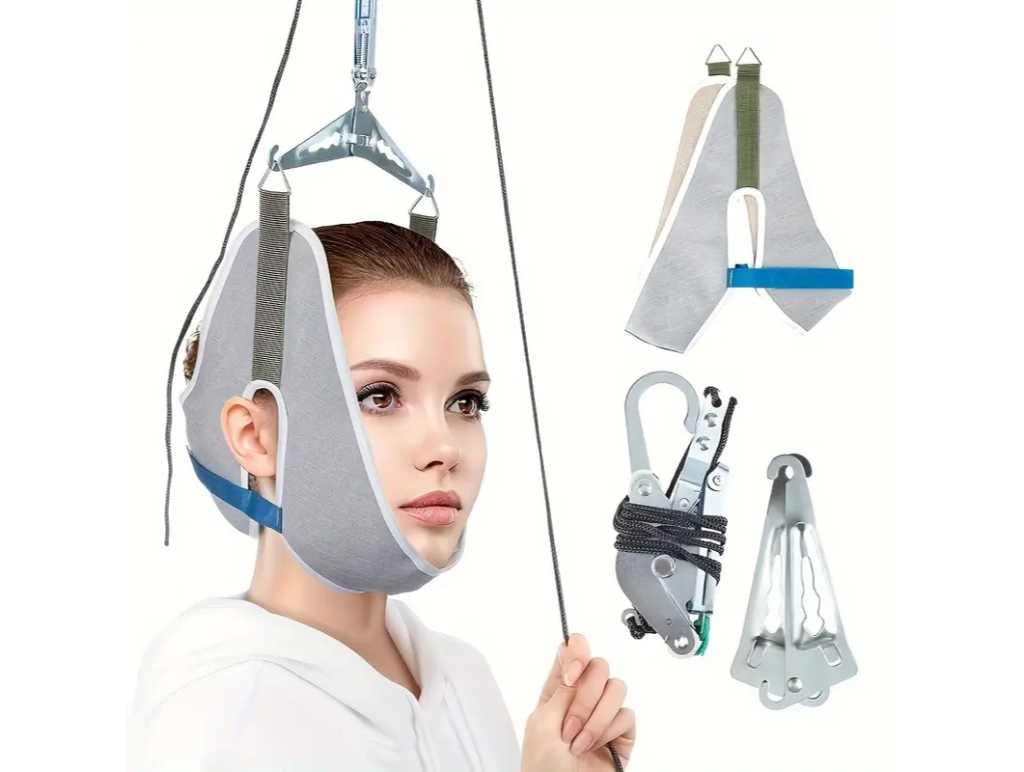
- A neck stretcher or hanging cervical spine massager for desk-bound tension.
- Supportive orthotic insoles to make everyday walking more comfortable.
How to use recovery devices sensibly
These tools are designed to help you feel more comfortable and relaxed — not to treat medical conditions. Start gently, follow the instructions that come with each device, and stop if anything hurts.
If you have an injury, chronic pain, or a medical condition, talk to a qualified professional before using any recovery device.
Build a small routine
Consistency beats intensity. Five to ten relaxed minutes with a massager most evenings tends to feel better over time than an occasional marathon session. Pair it with light movement and good sleep habits — see our sleep guide — and you have a low-fuss recovery ritual.
Keep them within reach
The best device is the one you actually use. Store your tools somewhere visible and convenient, and they become part of the routine instead of forgotten gadgets. For a deeper dive into the different categories, read our recovery tools 101.
Value that supports your day
Recovery gear should not cost a fortune. Everyday value pricing means you can build a sensible home setup — a massager, a stretcher, a set of insoles — without overspending, and get real, repeatable comfort from it.
Match the tool to the moment
Different parts of your day call for different tools. After a long stint on your feet, a foot & leg massager is the obvious choice. After hours hunched at a desk, a neck stretcher or shoulder relaxer targets exactly where the tension collects. Building a small, varied kit means you always have the right option to hand rather than one device you use for everything.
Little and often wins
The most common mistake is treating recovery as an occasional event — a single long session after a rough week. In practice, a few relaxed minutes most days feels better and is easier to sustain. Tie it to an existing habit, like winding down in the evening, and it becomes automatic.
Storage is part of the strategy
A device stuffed in a closet is a device you forget. Keep your recovery tools where you will actually use them: the massager by the couch, insoles in the shoes you wear most, a stretcher near where you relax at night. Visibility drives consistency, and consistency is where the real comfort comes from.
Comfort, not treatment
It is worth repeating: these are everyday comfort and relaxation tools, not medical equipment. Used sensibly and gently, they are a low-cost way to unwind. For a fuller breakdown of the categories — massage, traction and support — see our recovery tools 101, and pair the routine with the setup tips in our neck & posture guide.
Building your home recovery corner
Keep it simple and deliberate: choose one massage tool for relaxing tired muscles, one stretch or traction tool for tension, and one support item for everyday comfort — then store all three where you will actually reach for them. A foot & leg massager by the couch, a neck stretcher near where you wind down, supportive insoles in your everyday shoes. Used gently and consistently, this small corner does more for how you feel than a drawer of gadgets ever will. Everyday value pricing means you can assemble it without overspending — and remember, these are comfort tools, not medical devices.
Disclaimer. Statements on this site have not been evaluated by the Food and Drug Administration (FDA). Products are not intended to diagnose, treat, cure or prevent any disease. This article is general information, not medical advice — if you are pregnant, nursing, taking medication, or have a health condition, consult a physician before starting any supplement or wellness routine.