Recovery tools sound technical, but the categories are simple once you break them down. Here is a plain-language guide to the main types of at-home recovery gear — and how to get the most from them.
Massage tools
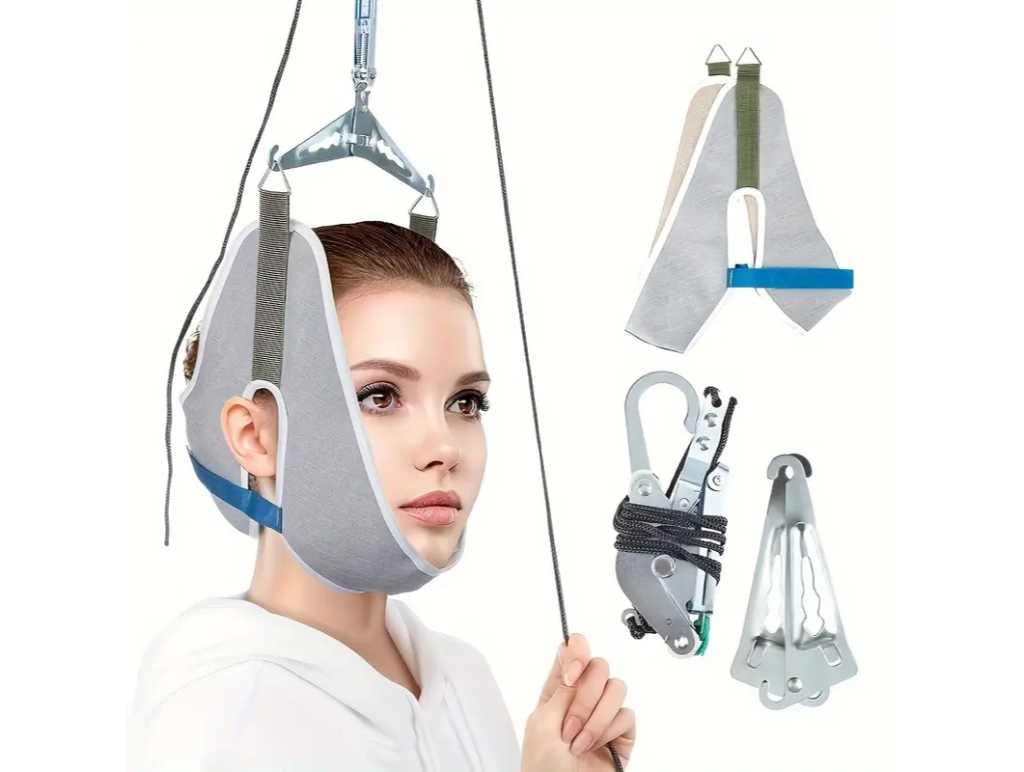
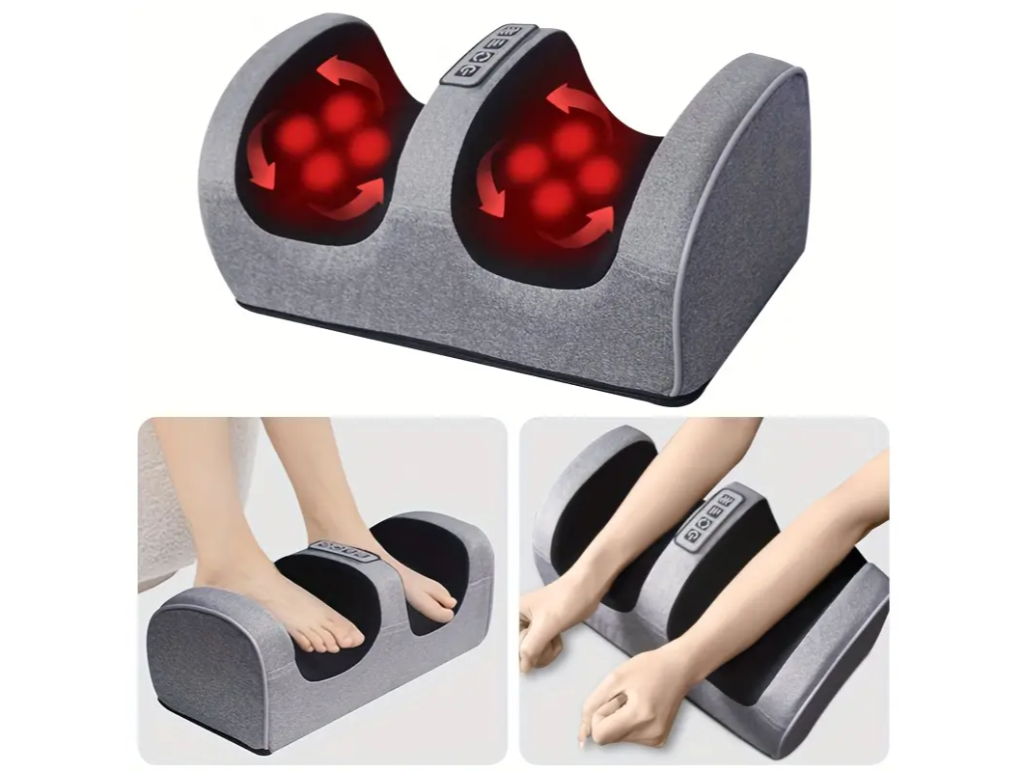
Massagers help you relax tired muscles and unwind. A foot & leg massager is ideal after time on your feet, while a hanging cervical spine massager or neck and shoulder relaxer targets the tension that builds up during desk days.
Traction & stretch tools
Traction tools gently create space and encourage a comfortable stretch. A neck stretcher or adjustable cervical traction device can feel great as part of an evening wind-down — used gently, and always as directed.
Recovery tools are for comfort and relaxation, not medical treatment. If you have an injury or condition, check with a professional before using them.
Support tools
Supports make everyday movement more comfortable. Orthotic insoles cushion each step, and mobility aids like a leg lifter strap help with daily tasks around the home.
How to use them well
- Start gently and increase only if it stays comfortable.
- Follow the instructions that come with each device.
- Be consistent — short regular sessions beat occasional long ones.
- Stop if it hurts. Discomfort is a signal, not a goal.
Pair your tools with good habits — movement breaks, a smart desk setup (see our neck & posture guide), and decent sleep — and the whole routine works better together.
Build a kit that fits your day
You do not need everything. Pick one massage tool, one stretch or traction tool, and one support item that match where you feel it most. That small, affordable kit — used consistently — is what real everyday recovery looks like.
How the categories work together
The three families — massage, traction and support — are complementary, not competing. Massage helps you relax and unwind tired muscles. Traction and stretch tools encourage gentle length and space. Support tools make everyday movement more comfortable in the first place. A well-rounded home kit usually has one of each, matched to where you personally feel the day most.
Reading the instructions really matters
Every device is designed to be used a particular way, and the included instructions are there for good reason. Following them is how you get the comfort benefit safely. Skipping them — going too hard, too long, or using a tool for something it was not meant for — is where people run into trouble.
A simple weekly rhythm
You do not need an elaborate plan. A gentle massage session in the evening, a short stretch or traction session a few times a week, and daily use of any support items like orthotic insoles is plenty for most people. Keep it light, keep it regular, and let it become part of winding down rather than a chore.
Fit it into the bigger picture
Recovery tools work best alongside good everyday habits — movement breaks, a sensible desk setup, and decent sleep. Our neck & posture guide covers the setup side, and our personal-care devices guide has more on building a home kit. Remember throughout: these are comfort aids, and anything beyond everyday tension deserves a professional's opinion.
The recovery kit, distilled
One of each family covers most needs: a massager to unwind, a stretch or traction tool for gentle length, and a support item like insoles for comfortable everyday movement. Read the instructions, start gently, keep sessions short and regular, and stop if anything hurts. Little and often beats the occasional marathon, and the tools work best alongside good habits — movement breaks, a sensible desk setup, decent sleep. Treat everything here as comfort and relaxation, never medical treatment; anything beyond ordinary tension is worth a professional's opinion.
Disclaimer. Statements on this site have not been evaluated by the Food and Drug Administration (FDA). Products are not intended to diagnose, treat, cure or prevent any disease. This article is general information, not medical advice — if you are pregnant, nursing, taking medication, or have a health condition, consult a physician before starting any supplement or wellness routine.